
Climate Whiplash in Sri Lanka: How El Niño Is Changing Where You Can Travel Right Now
A strong El Niño is redrawing Sri Lanka's rainfall map in 2026, here's what that means for choosing between the west, south, north and east coasts this year.
Nilan Fernando
Coastal & Food Expert
Sri Lanka's travel calendar has always run on a reliable rule: two monsoons, two coasts, and a predictable window for each. In 2026, that rule is under real strain. The World Meteorological Organization has put the probability of El Niño conditions through June–August 2026 at around 80%, and the US Climate Prediction Center declared the event's onset on 11 June, flagging a 63% chance it strengthens into a very strong El Niño between November 2026 and January 2027. For travelers, that technical forecast translates into a very practical question: which coast is actually going to have good weather when you land?
El Niño is a periodic warming of the central and eastern Pacific Ocean that reshapes weather patterns far beyond the Pacific itself, and Sri Lanka, sitting at the crossroads of the Indian Ocean's two monsoon systems, is unusually sensitive to it. Sri Lanka's Department of Meteorology has already flagged the risk of below-normal rainfall and elevated drought conditions through the middle of 2026, driven by a weaker-than-usual southwest monsoon.
A Two-Phase Pattern, Not a Single Season
Climate analysts describe the likely 2026–2027 pattern as two distinct phases. In the first, running roughly May through September, the southwest monsoon weakens, cutting rainfall across the west, south and central agricultural zones and pushing temperatures above average, the Department of Meteorology has already warned of severe heat through July and August. In the second phase, from around December 2026 through February 2027, the pattern is expected to flip: the northeast monsoon could bring above-normal rainfall to the eastern and northern provinces, raising the risk of localized flooding just as those regions enter what is normally their driest, most reliable travel window.
“Initial drought and heat in the west and south, followed by possible floods in the east and north.”
Why This Matters Beyond the Beach
The stakes go beyond travel comfort. The Yala cultivation season, April to September, depends on southwest monsoon rainfall and irrigation reservoirs, and is vulnerable to yield losses in El Niño years, with historical drops in rice and vegetable production. Hydropower supplies roughly 30 to 40% of Sri Lanka's electricity, and a weak monsoon lowers reservoir levels in the central hills, pushing the country back toward costlier thermal and imported power. None of this is travel trivia, reservoir levels, crop cycles and power generation all sit upstream of things visitors notice directly: water levels at hill-country waterfalls, produce at farm-to-table restaurants, and occasional power scheduling in rural areas.
Coast-by-Coast: Reading the 2026 Season
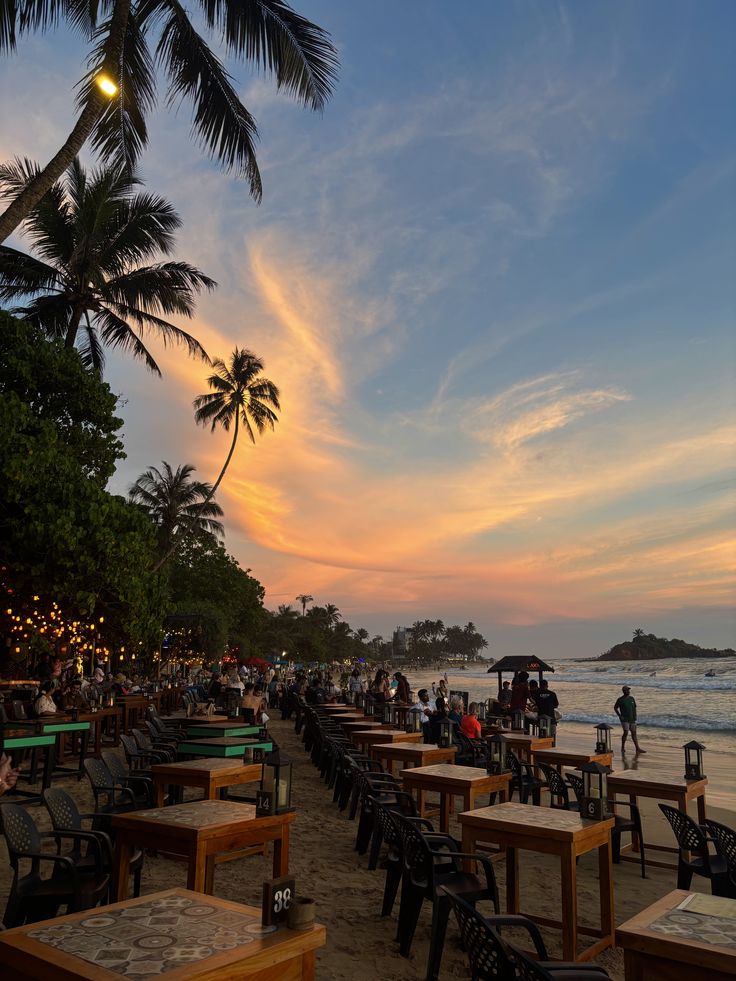
The rule that usually makes Sri Lanka a year-round destination still holds in outline: the southwest monsoon, May to September, affects the south and west coasts and the hill country, while the northeast monsoon, October to January, affects the north and east. The difference this year is reliability. A weakened southwest monsoon means the west and south coasts may see less rain than usual through the middle of the year, good news for beach time in Galle, Mirissa and Bentota, but paired with more intense heat than a typical July or August. The east coast's April-to-September window, covering Trincomalee, Pasikudah and Arugam Bay, is likely to hold up reasonably well through the mid-year drought phase, but the usual dry stretch could run hotter and drier than average before the northeast monsoon's possible over-correction arrives later in the year.
How to Plan Around the 2026 Pattern
- 01
West and south coasts (Galle, Mirissa, Bentota): expect a hotter, drier July–August than usual, build shade, hydration breaks and flexible midday plans into safaris and hill hikes.
- 02
East coast (Trincomalee, Pasikudah, Arugam Bay): the traditional April–September dry window remains the safer bet this year while the southwest is under drought stress.
- 03
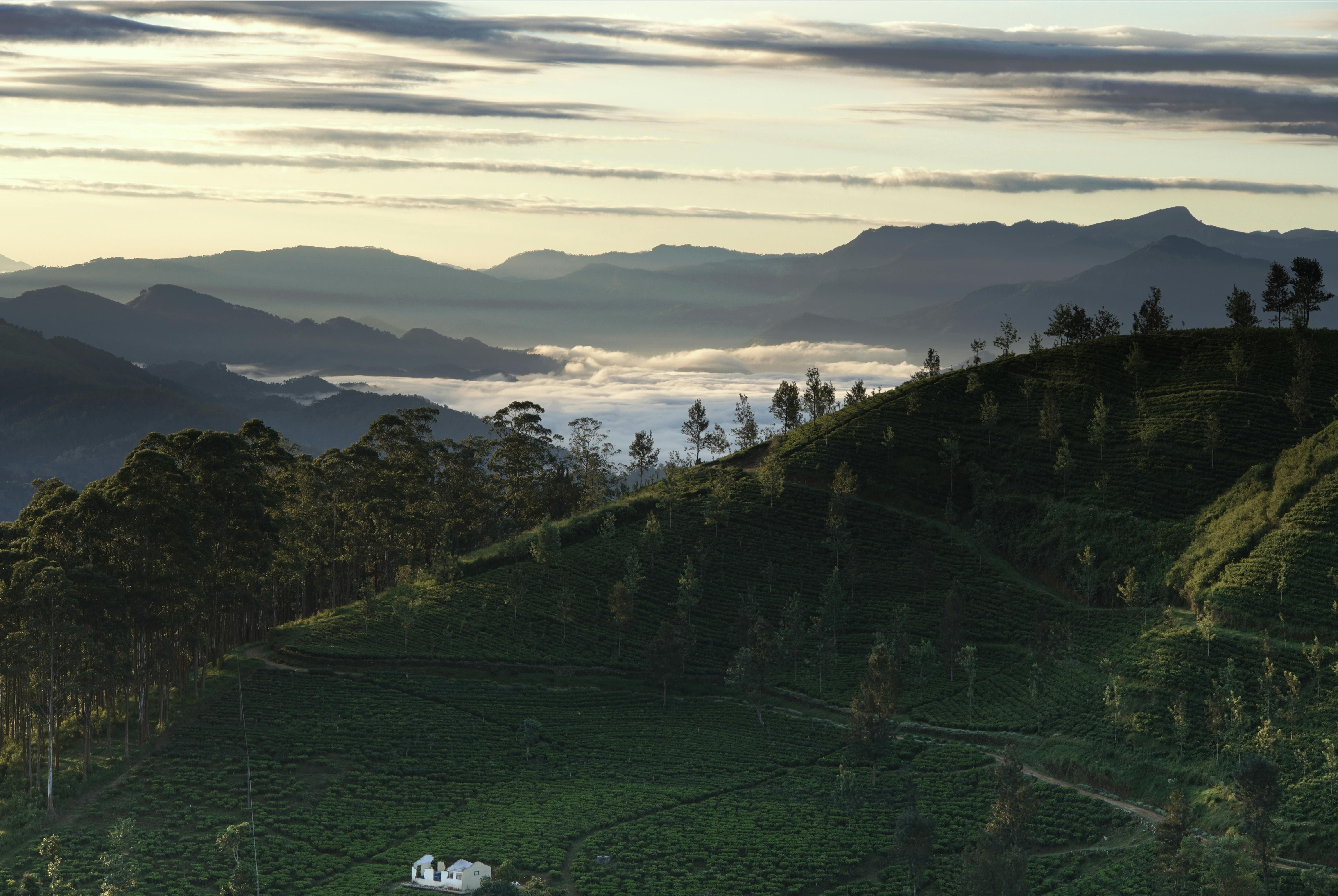
Hill country (Ella, Nuwara Eliya, Kandy): reduced monsoon rainfall can mean lower waterfall flow and hazier viewpoints through mid-2026, check recent conditions before building a trip around one specific waterfall or vista.
- 04
Late 2026 into early 2027: watch official forecasts for the north and east, where above-normal rainfall and localized flooding are the bigger risk as the northeast monsoon takes over.
- 05
Wildlife parks: drought can concentrate animals around shrinking water sources, which often improves sighting odds at Yala and Udawalawe, but plan for higher daytime heat on safari.
The Bottom Line for 2026 Travelers
None of this is a reason to cancel or postpone a Sri Lanka trip, El Niño years still deliver plenty of sunshine, and the island's two-coast, two-monsoon design is precisely what makes it more resilient to a bad season than most single-coast destinations. What it does mean is that the generic best-time-to-visit chart is a weaker guide than usual in 2026. El Niño events typically run 9 to 12 months, so this one's effects could linger into February 2027, and short-range regional forecasts from Sri Lanka's Department of Meteorology will be more useful than a seasonal average built on a normal year.
The most reliable move in a year like this is to build flexibility into the itinerary itself. A driver and guide who can swap a beach day for a hill-country day, or shift a safari start time to dodge the day's heat, does more for a trip than any monsoon chart. That kind of on-the-ground adjustment, made in response to what is actually happening that week rather than what a calendar says should be happening, is the difference between a good Sri Lanka trip and a great one in an unusual year.
Photo Journal
3 Images from the Field

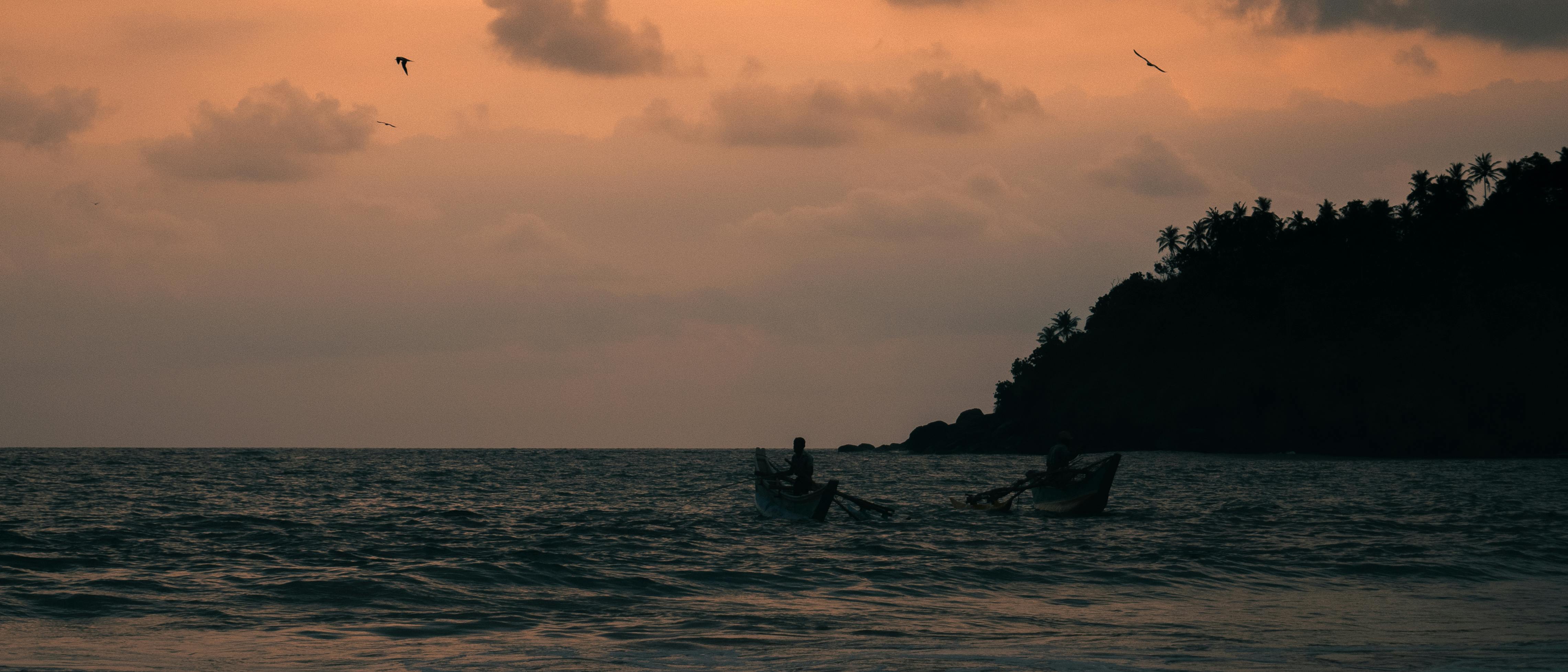
Blue whales surface off Mirissa year-round, but sea conditions shift with the monsoon.

Unawatuna Bay on the south coast, within the southwest monsoon's reach.

The Gathering at Minneriya, elephant numbers here track closely with seasonal water levels.
Nilan Fernando
Coastal & Food Expert
A third-generation fisherman's son from Galle, Nilan reads the southern coast's weather the way sailors always have, and now watches the satellite data just as closely.
Want This Experience
For Yourself?
Our guides have the access, knowledge and contacts to make experiences like this happen for you.