
Kandy Esala Perahera 2026: The Complete Dates, Schedule & Insider's Guide
Ten nights, over 100 elephants, and a 2,300-year-old relic carried through torchlit streets. Here's exactly when it happens and how to see it properly.
Rohan Perera
Lead Cultural Guide
Nine days from now, the streets of Kandy will fill with fire dancers, whip-crackers, Kandyan drummers and more than a hundred elephants, one of them carrying a golden casket believed to hold a tooth relic of the Buddha. The Kandy Esala Perahera, widely regarded as the grandest Buddhist festival procession in Asia, runs from 18 to 28 August 2026, and if a Sri Lanka trip is anywhere on your radar for the second half of this month, this is the single event worth building it around.
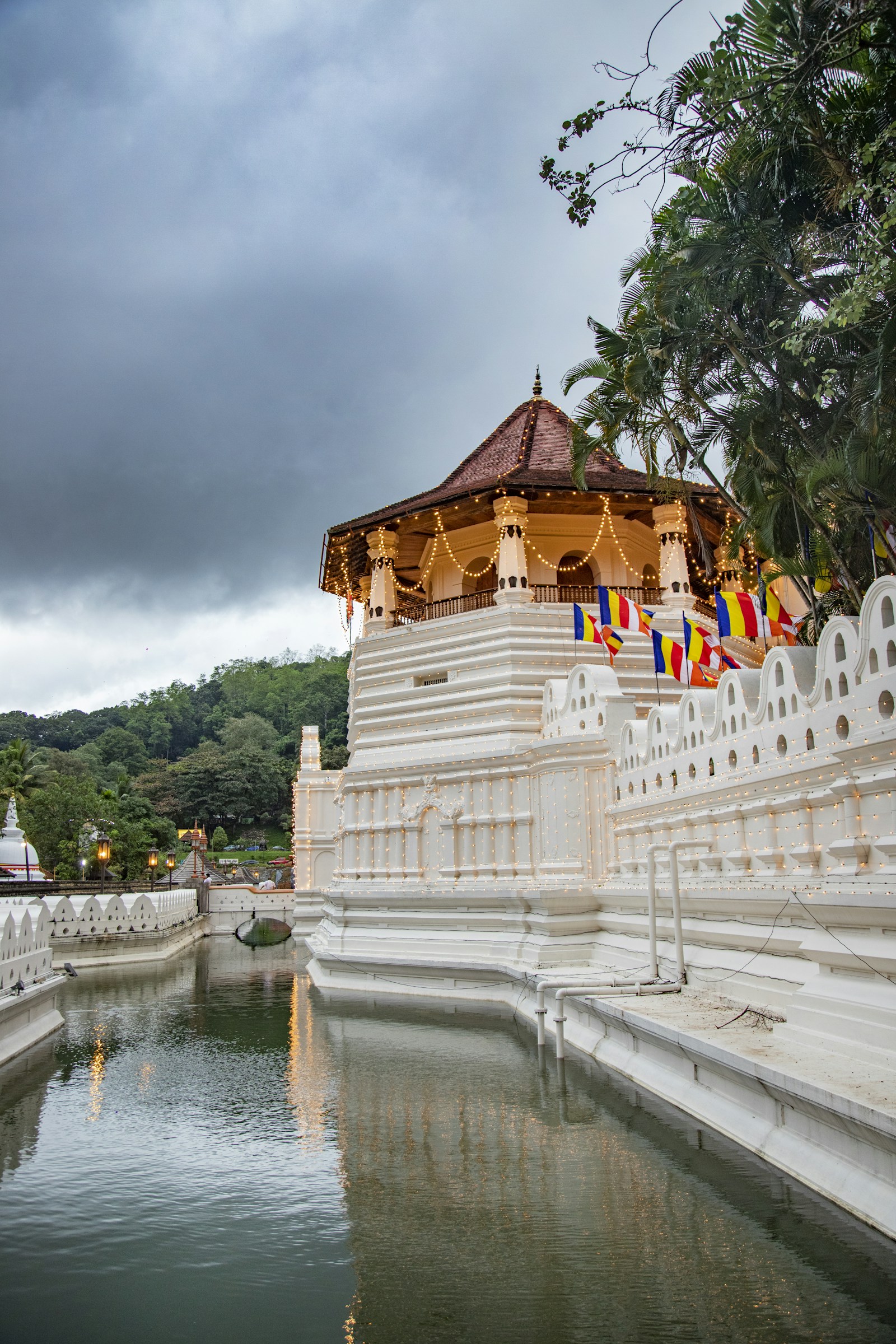
The Perahera has been staged in some form for over a thousand years, and its purpose has never really changed: to honour the Sacred Tooth Relic housed in the Temple of the Tooth, or Sri Dalada Maligawa, and to ask for rain and prosperity for the coming year. What has changed is the scale. Today's procession combines five separate temple processions, the Maligawa's own and four devales dedicated to the deities Natha, Vishnu, Kataragama and Pattini, into one moving spectacle that can take well over two hours to pass a single viewing point.
The Full 2026 Schedule
The festival unfolds in two distinct phases over ten nights, and knowing the difference matters if you're deciding which night to book around.
Kandy Esala Perahera — 2026 Dates
- 01
Kumbal Perahera (5 nights): 18-22 August — the opening phase, smaller in scale, thinner crowds, still spectacular and easier to actually see.
- 02
Randoli Perahera (5 nights): 23-27 August — the grand climax, full procession with all five temples, 100+ elephants and the Maligawa Tusker carrying the relic casket.
- 03
Diya Kapeema (water-cutting ceremony): 27 August, before dawn at the Mahaweli River in Getambe — the ritual that formally closes the main festival.
- 04
Dahawal Perahera (day procession): 28 August — a smaller daytime procession marking the final act.
What You're Actually Watching
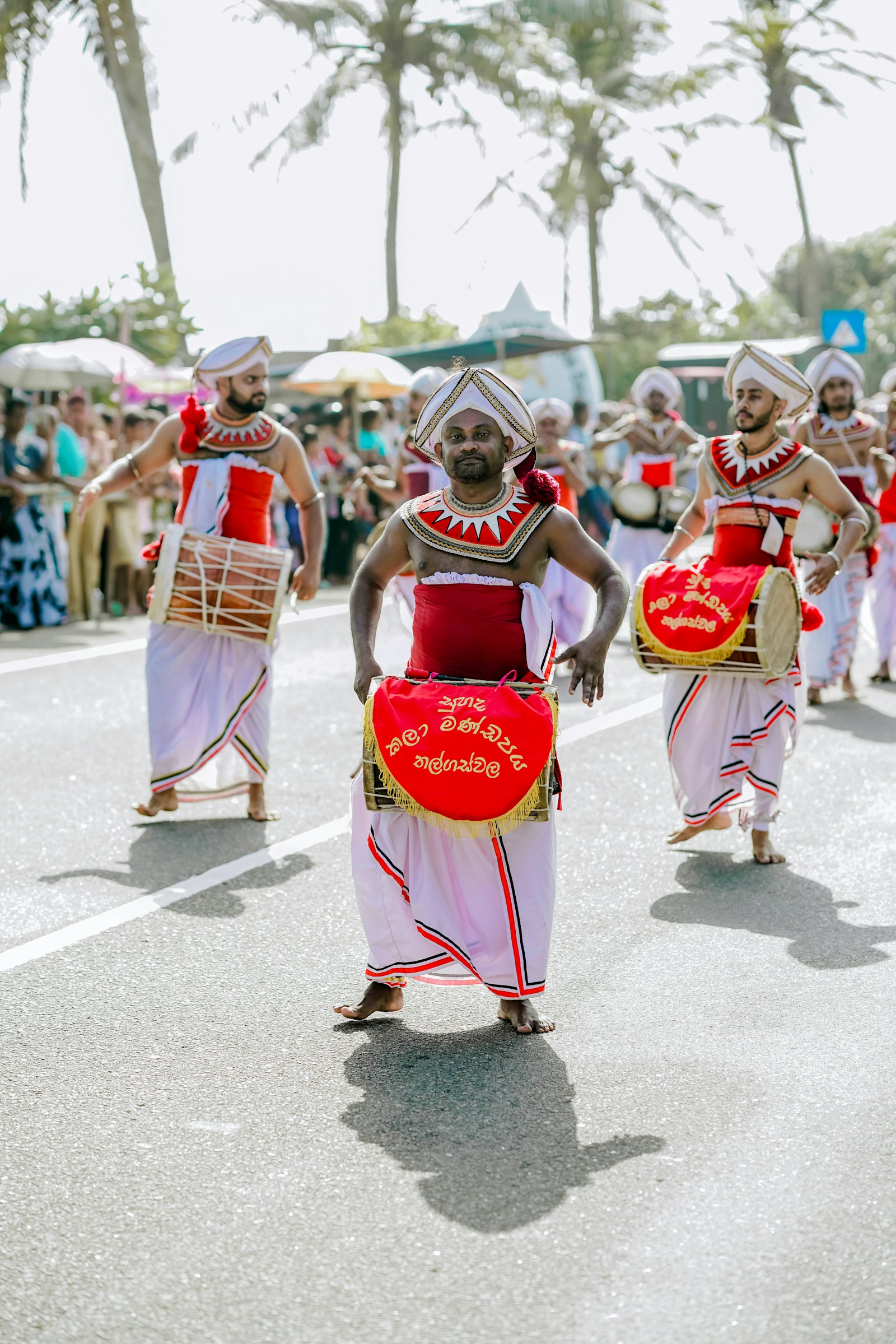
Each night's procession is built from repeating waves of performers, and once you know the pattern, the whole two-hour parade makes a lot more sense. Whip-crackers clear the road ahead with sharp cracks that echo off the buildings. Fire dancers and torch-bearers light the route. Kandyan dancers in elaborate headdress perform mid-stride. Drummers keep a rhythm that shifts with each temple group. And running through all of it: elephants, dozens of them, draped in elaborately embroidered cloth and strings of lights, some carrying nothing, others bearing the relics and regalia of each of the five participating temples.
“It's the only place I know where a thousand-year-old ritual and a modern light show happen in the same ten metres of street.”

How to Watch It Without Losing the Night to a Crowd
The Perahera is free to watch from the street, and that's exactly the problem: it's also standing-room-only for a route that runs through the middle of a small hill city, and Kandy's hotel capacity is nowhere near enough for the crowds the final Randoli nights pull in. A little planning turns this from an exhausting scrum into one of the best nights of a Sri Lanka trip.
Practical Tips for Perahera Night
- 01
Book a paid roadside seat or balcony view in advance — hotels and shops along the route (particularly near the Temple of the Tooth and the Kandy Lake road) rent numbered seats for the busier nights, and they sell out.
- 02
If you want the spectacle without the crush, go on a Kumbal Perahera night (18-22 August) — the procession is genuinely beautiful and the crowds are a fraction of the Randoli nights.
- 03
If you want the maximum-scale version, the last two Randoli nights (26-27 August) carry the full relic casket and the largest elephant count — arrive at your viewing spot at least 2 hours early.
- 04
Book Kandy accommodation now, not the week of — rooms within walking distance of the route routinely sell out days ahead during Perahera week.
- 05
Dress modestly (shoulders and knees covered) if you plan to visit the Temple of the Tooth itself before or after the procession.
- 06
The procession usually starts moving after dark, around 8pm, and can run past 10:30pm on Randoli nights — plan transport back to your hotel before you go, tuk-tuks get scarce once the streets fill.
Why This Year's Perahera Will Be Busier Than Usual
Sri Lanka has had an unusually loud year on the global travel stage: it was named the Best Island in the World for 2026 by Big 7 Travel, and international arrivals crossed 1.3 million by late July, well ahead of last year's pace. None of that is lost on Kandy. A festival that already draws visitors from across the world is landing in the middle of the country's biggest travel moment in years, which means earlier bookings, fuller hotels and a more crowded route than in a typical August. If the Perahera is on your list for 2026, the smart move is to lock in Kandy dates and a viewing spot now rather than in the days before you fly.
Whatever else is on a Sri Lanka itinerary, tea country, Sigiriya, the south coast, the Esala Perahera is the one experience that can't be rescheduled around your trip. It happens once a year, on these ten nights, in this one city. Build the rest of the trip around it, not the other way around.
Photo Journal
3 Images from the Field

Elephants are the living centrepiece of the Perahera, decorated and walked in procession by their handlers.

Fire and drum performances run in waves ahead of each temple's section of the procession.

Elephants used in the Perahera are cared for year-round; the festival is their one great public appearance.
Rohan Perera
Lead Cultural Guide
Born in the shadow of Sigiriya, Rohan has guided over 200 guests through Sri Lanka's cultural heartland and has stood streetside for the Perahera nearly every August of his life.
Want This Experience
For Yourself?
Our guides have the access, knowledge and contacts to make experiences like this happen for you.