
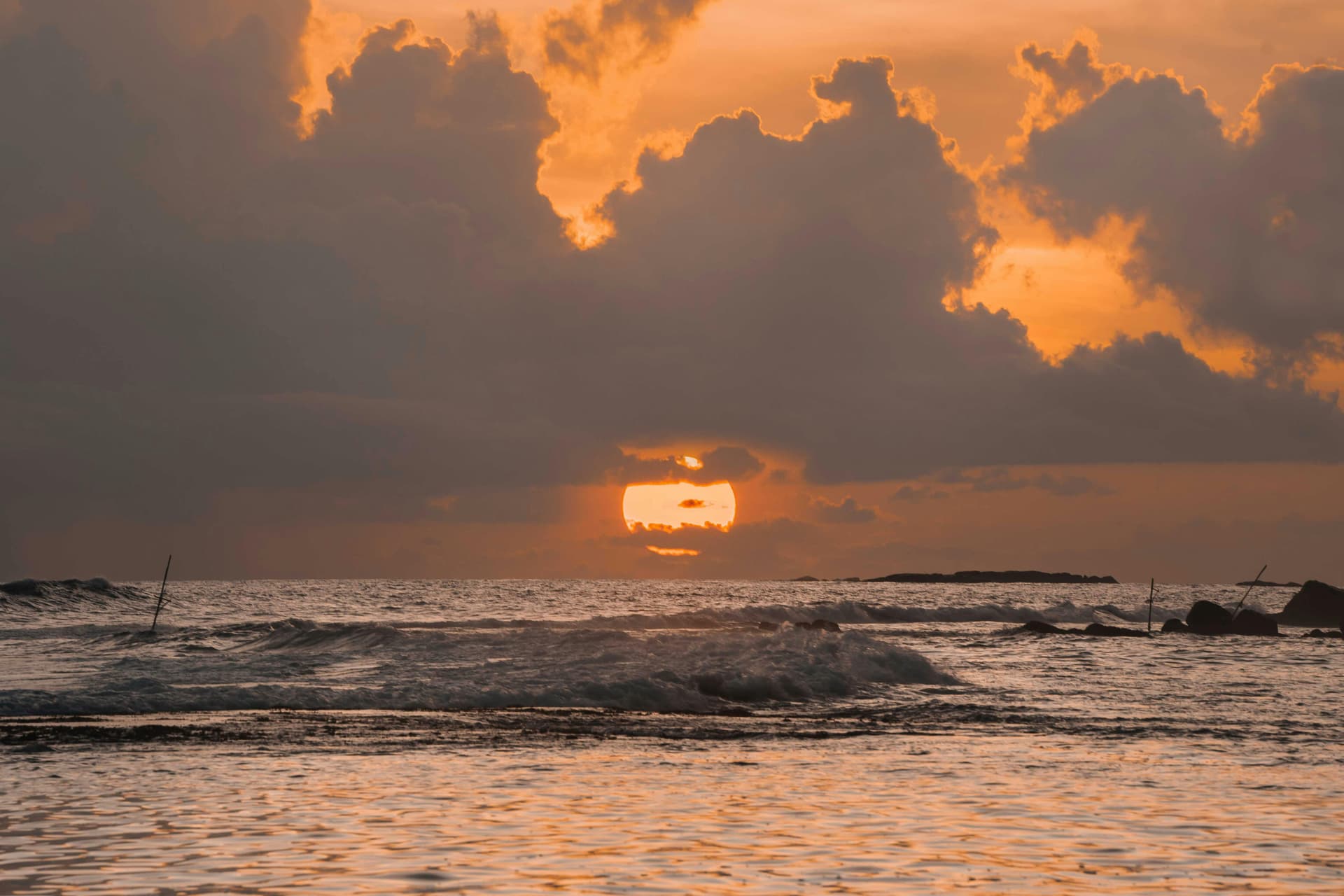
Sri Lanka in a Record El Niño: What the 2026/27 Peak Season Actually Looks Like
Month by month and coast by coast: how a potentially record-breaking El Niño is reshaping Sri Lanka's December-to-April travel season, and how to plan around it.
Nilan Fernando
Coastal & Food Expert
Sri Lanka's peak travel season, from December to April, is about to coincide with what could become the strongest El Niño since modern records began in 1950. As of late October 2026, the US Climate Prediction Center expects a strong-to-very strong El Niño to last into early 2027, and Sri Lanka's Department of Meteorology is warning of heavier rain and a higher risk of flooding in the weeks ahead.
If you have a winter trip booked, or are still deciding when to go, headlines like these can be unsettling. The reality is more useful than the headlines. A strong El Niño does not cancel Sri Lanka's dry season; it shifts the odds, month by month and coast by coast. This guide explains what the 2026/27 peak season is likely to look like, where the weather should be at its best, what to watch out for and how to plan a trip that works whatever the skies do.
The 2026/27 Season at a Glance
- 01
Late October–November 2026: likely wetter than usual across much of the island, with a higher risk of floods and landslides. Keep plans flexible.
- 02
December 2026: a transition month. The west and south coasts normally begin to dry out, while the north and east could see heavy bursts of rain.
- 03
January–February 2027: the most reliable stretch. El Niño years have historically brought drier-than-usual weather from January, which suits beaches, the hill country and the Cultural Triangle.
- 04
March–April 2027: likely dry, bright and noticeably hot. Plan sightseeing for the early morning.
- 05
East coast and Jaffna: best saved for their usual season later in 2027. December to February is their wet season, and this year carries extra flood risk.
Where Things Stand: The 2026 El Niño in Numbers
El Niño is a periodic warming of the central and eastern tropical Pacific Ocean. It changes wind and rainfall patterns far beyond the Pacific, and Sri Lanka, sitting between the Bay of Bengal and the wider Indian Ocean, feels its influence through its monsoons.
In its update of 8 October 2026, NOAA's Climate Prediction Center kept its El Niño Advisory in place and reported that the event strengthened again in September, with sea temperatures in the key Niño-3.4 region about 2.1°C above average. It expects a strong-to-very strong El Niño to continue through January–March 2027, with a better than 83% chance.
Will it set a record? The odds are high. The Climate Prediction Center gives an 83% chance that the event passes +2.5°C during October–December, which would make it stronger than any El Niño since 1950, and a 70% chance for November–January. Australian Bureau of Meteorology data reported in mid-October showed central Pacific sea temperatures 2.81°C above average, higher than the 2.76°C peak recorded in 2016.
For perspective, Sri Lanka has experienced around 25 El Niño events since 1950, according to the Department of Meteorology, and only three of them were very strong: 1982–83, 1997–98 and 2015–16. This season could join that list, or top it.
“A strong El Niño doesn't cancel Sri Lanka's peak season. It reshuffles it.”
How El Niño Changes Sri Lanka's Weather
Sri Lanka doesn't have a single rainy season. It has four rainfall periods: the southwest monsoon from May to September, which mainly soaks the west, south and hill country; the second inter-monsoon in October and November, when thunderstorms can hit almost anywhere; the northeast monsoon from December to February, which brings rain to the north, east and eastern hills; and the first inter-monsoon in March and April, the hottest time of year. That pattern is why the island usually has a sunny coast somewhere.
El Niño tilts these seasons rather than replacing them. The Department of Meteorology's analysis of comparable El Niño years between 1950 and 2025 points to significantly more rain than usual in October and November 2026, followed by less rain than usual from January to around April 2027. Temperatures also tend to run higher. A positive Indian Ocean Dipole, a warm phase in the western Indian Ocean that models favoured for late 2026, can add to the October–November rains.
The uncertain part is the northeast monsoon, from December to February. Forecasters genuinely disagree here: some expect El Niño to suppress the monsoon overall, while others expect enhanced rain in the east. The head of the Department of Meteorology, Ajith Wijemannage, has said the northern and eastern provinces 'would experience heavy rains, and there's a probability of flooding'. For travellers, that matters most for the east coast and Jaffna, which are normally off-season at this time anyway.
Month by Month: What the 2026/27 Peak Season Looks Like
Late October and November 2026: The Wet Shoulder
This is the stretch most likely to be affected. The second inter-monsoon already brings Sri Lanka's most widespread rain, usually as heavy afternoon and evening thunderstorms, and this year it is expected to be wetter than usual. By mid-October the Department of Meteorology was already reporting heavy rain and rising river levels, and warning of an increased flood risk in the coming months.
That doesn't mean constant rain. Mornings are often clear, and many days still offer several dry hours. But it does mean a higher risk of flooding in low-lying areas, landslides on hill-country roads and rail lines, and spells of rough sea. Bay of Bengal depressions, which can bring several days of heavy rain, are also most frequent from October to December.
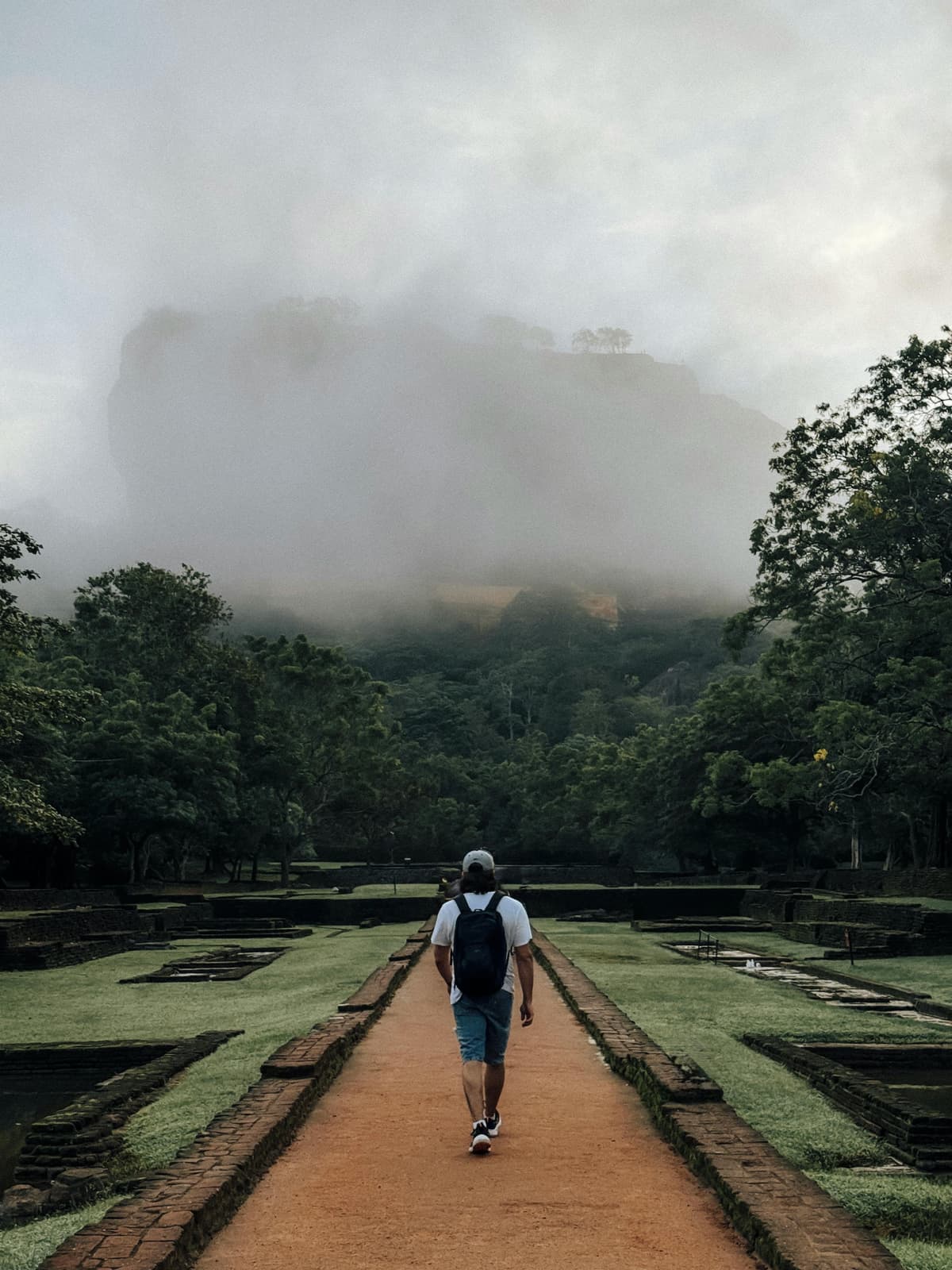
If You're Travelling in November
- 01
Start sightseeing early; rain tends to build in the afternoon and evening.
- 02
Add at least one buffer day, especially before an international flight.
- 03
Avoid tight connections on hill-country roads and the railway after heavy rain.
- 04
Check landslide warnings from the National Building Research Organisation before driving through the hills.
- 05
Choose refundable or flexible bookings where you can.
December 2026: The Transition
December is when Sri Lanka's weather usually swings from one side of the island to the other. As the northeast monsoon sets in, the west and south coasts, from Negombo and Colombo down to Bentota, Galle and Mirissa, normally start their dry season, while the rain shifts to the north and east.
This year, expect that changeover to be less tidy. The early part of the month may still bring inter-monsoon showers, and the north and east face a real chance of heavy rain and flooding, with El Niño itself at or near its peak. For Christmas and New Year, the south and west coasts remain the strongest bet, with the hill country close behind; just keep a day or two of flexibility in your plans.
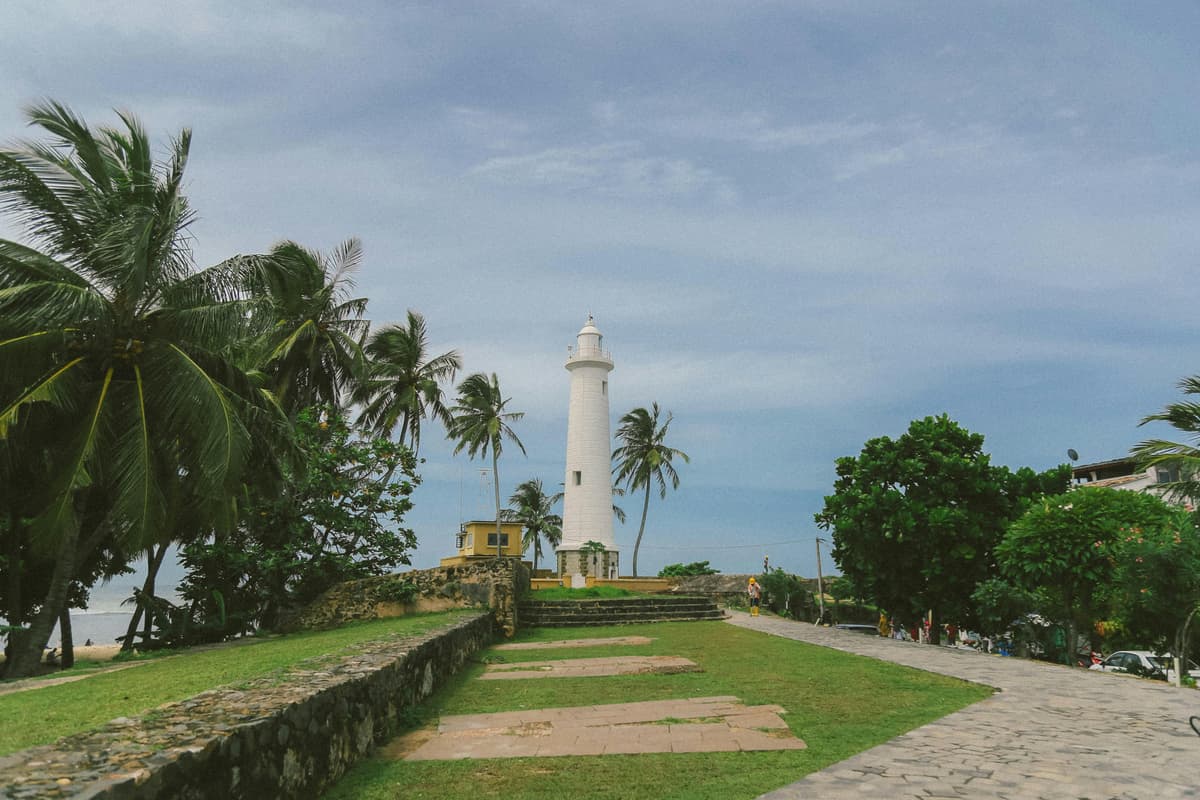
January and February 2027: The Heart of Peak Season
These should be the most dependable weeks of the season. In a normal year, January and February are the best time to visit Sri Lanka's south and west coasts and hill country. In past El Niño years, rainfall has tended to drop below normal from January, and the Department of Meteorology expects a drier-than-usual January to April in 2027. For most travellers, that means more sunny beach days on the south and west coasts, clearer mornings in the hill country and good conditions for climbing Sigiriya and exploring the ancient cities.
The trade-off is heat and demand. Days will likely feel warmer than a typical January, and with Sri Lanka named the world's best island for 2026, popular hotels, safaris and train seats in this window can sell out early. If you're travelling at this time, book the key pieces as soon as your dates are fixed.
March and April 2027: Dry, Bright and Hot
March and April are already the hottest months in Sri Lanka, and a strong El Niño is likely to add to the heat. The Department of Meteorology regularly issues heat advisories at this time of year, especially for the northern, north-central and eastern dry zone. Expect strong sun, high humidity on the coasts and very warm days in places such as Anuradhapura, Polonnaruwa and Sigiriya.
Dry weather has an upside for wildlife. As waterholes shrink, animals gather around the water that remains, which can make game drives in Yala, Udawalawe and Wilpattu especially rewarding. In the hills, lower rainfall can mean thinner waterfalls but clearer viewpoints. Sinhala and Tamil New Year on 13 and 14 April is a lovely time to see local traditions, though roads and trains are busy and some businesses close for the holiday.
Region by Region: Where to Go in Peak Season
South and West Coasts: Galle, Unawatuna, Mirissa and Bentota
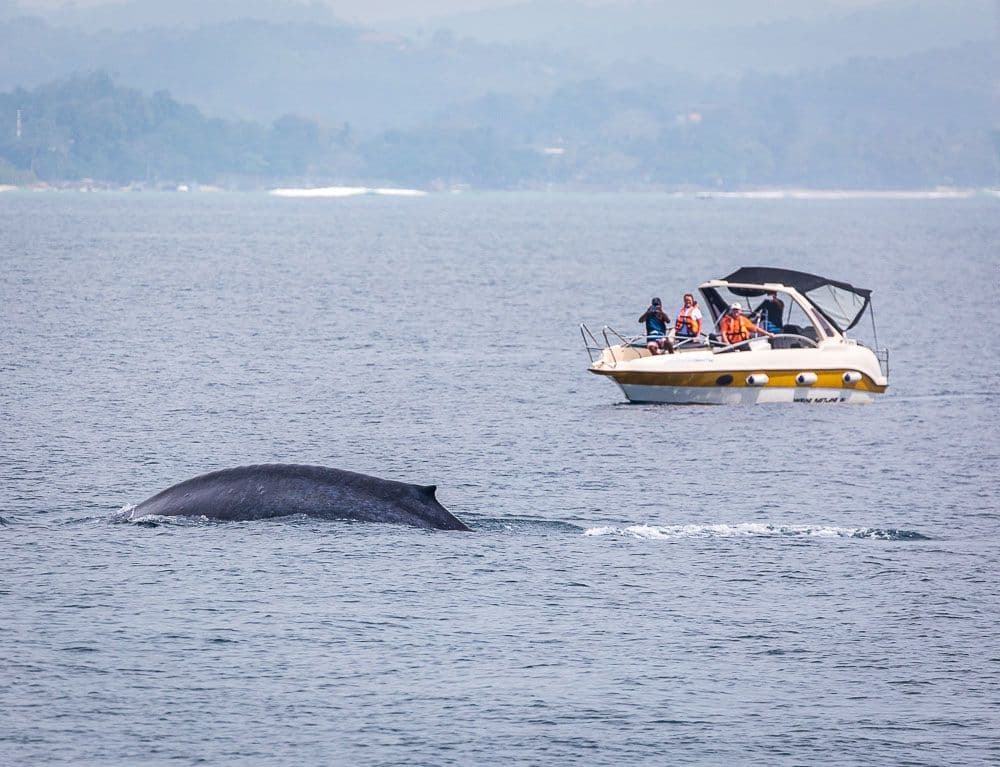
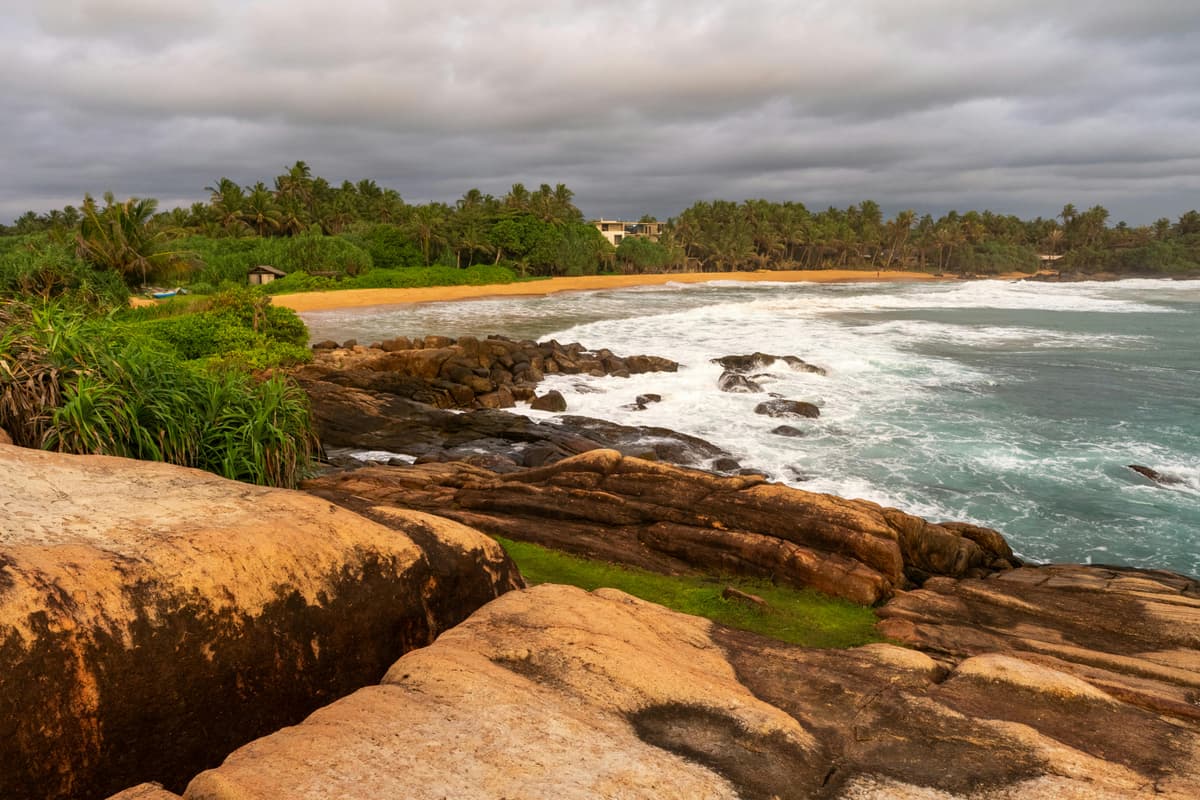
This is peak season's main stage, and El Niño's drier tilt from January is good news here. Expect the best conditions from late December to April, with calmer seas for swimming, snorkelling and whale-watching trips from Mirissa, which usually run from about November to April. In November and early December, check the sea state and beach flags before swimming, as the inter-monsoon can still bring rough water.
One thing to watch: very warm oceans raise the risk of coral bleaching. Previous strong El Niño years, notably 1998 and 2016, brought bleaching to reefs across the Indian Ocean, including Sri Lanka's. If you snorkel, use reef-safe sunscreen and never stand on coral.
Hill Country: Kandy, Nuwara Eliya and Ella
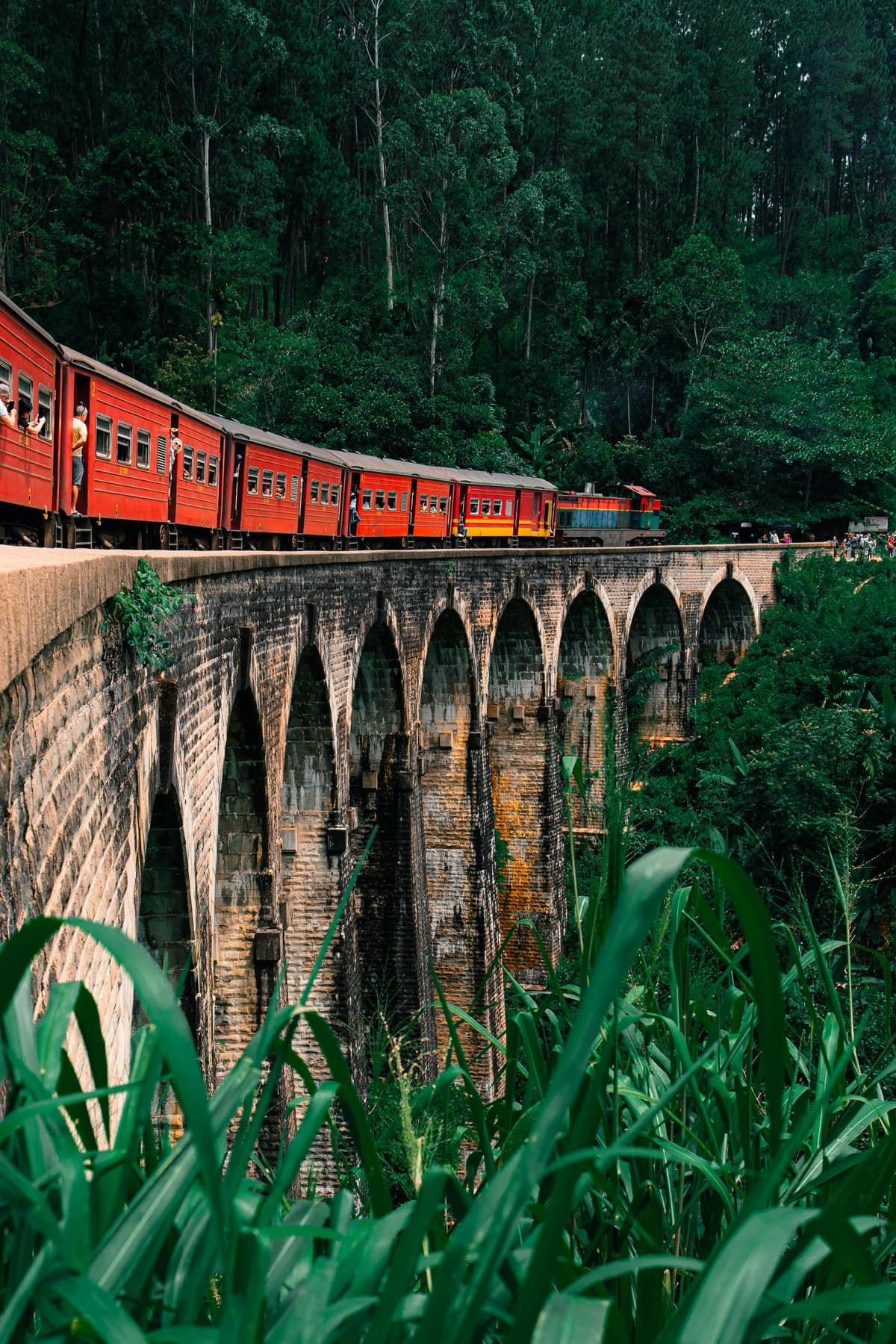
The hills carry the most risk in November, when heavy rain can trigger landslides and close roads or sections of the railway. From January the picture improves sharply: drier weather should bring clearer mornings for tea-estate views, hikes such as Little Adam's Peak and Ella Rock, and the famous train journey through the highlands. Nights in Nuwara Eliya stay cool, so pack a warm layer.
The Adam's Peak pilgrimage season, which runs from the December full moon (Unduvap Poya) to Vesak in May, also falls in this window. Clear, dry nights from January to March should give climbers a better chance of a sunrise view from the summit.
Cultural Triangle: Sigiriya, Dambulla, Polonnaruwa and Anuradhapura
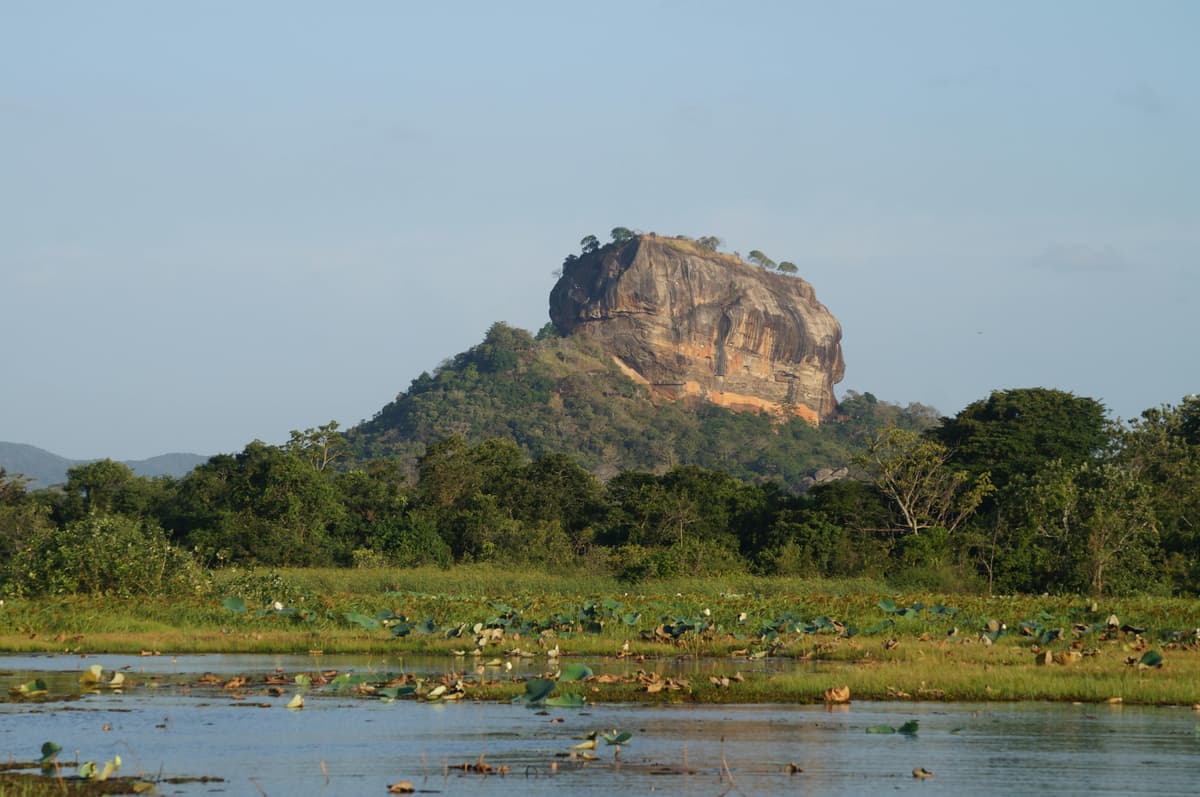
Sri Lanka's dry zone gets most of its rain between October and January, so the ancient cities may see heavy showers early in the season. From late January onwards, conditions should be dry and bright, which is ideal for exploring ruins but hot by late morning. Climb Sigiriya as soon as it opens, explore Polonnaruwa by bicycle or tuk-tuk in the early hours, and save air-conditioned travel and long lunches for the middle of the day.
National Parks: Yala, Udawalawe, Wilpattu and Minneriya
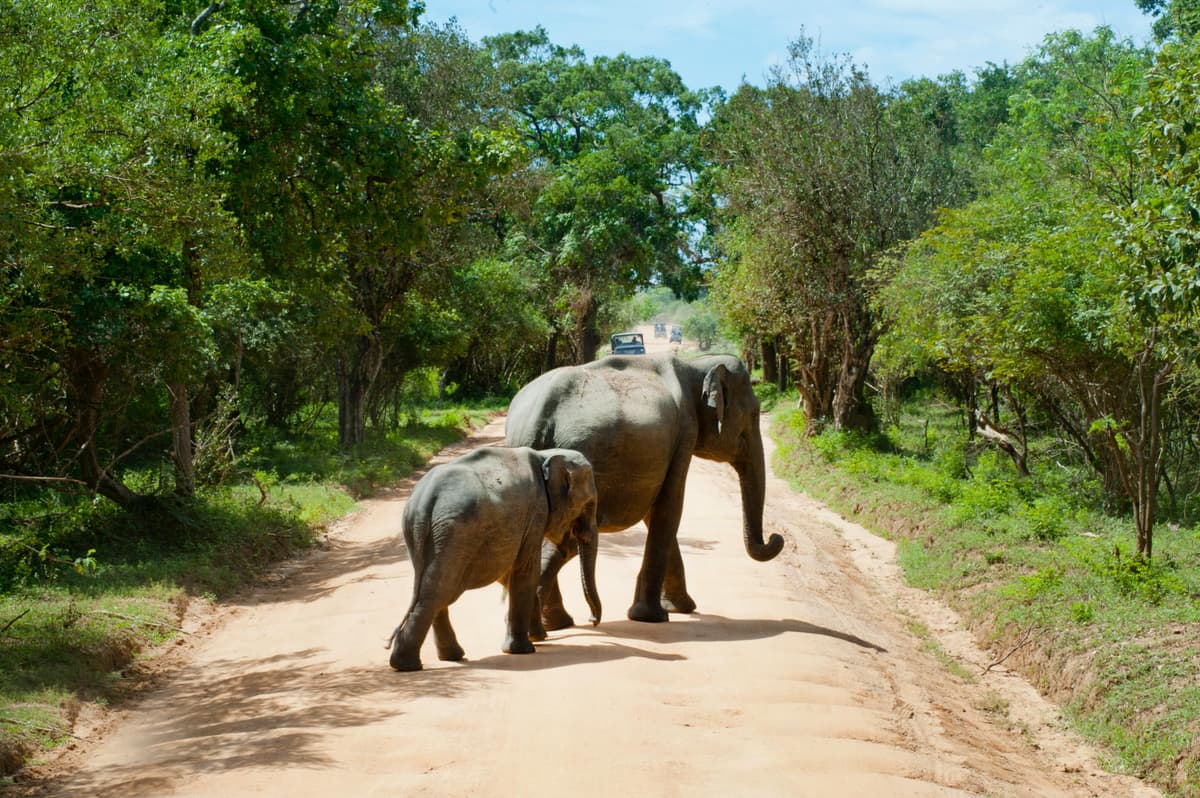
Wildlife viewing should be good through most of the season, and the drier months from February often bring the best sightings as animals gather near water. Afternoons can be hot and dusty, so morning drives are the most comfortable. Heavy rain in November and December can make some park tracks muddy, so check access with your guide if you're visiting early in the season. Minneriya's famous elephant gathering usually peaks later in the year, from around July to September.
East Coast and the North: Trincomalee, Pasikudah, Arugam Bay and Jaffna
From December to February, the east coast and the north are in their wet season, and this year they face the highest risk of heavy rain and flooding. Unless you have a particular reason to go, save Trincomalee, Pasikudah and Arugam Bay for their usual season, roughly April to September 2027. Jaffna is better visited from February, once the northeast monsoon has eased.
Is It Safe to Travel to Sri Lanka During El Niño?
Yes, for most travellers. Sri Lanka welcomes visitors throughout the year, and its two-monsoon system means good weather is usually available somewhere on the island. The main risks this season are flooding and landslides in November and December, and heat later on. Both are manageable with sensible planning and up-to-date local information.
Staying Safe and Comfortable This Season
- 01
Follow official alerts from the Department of Meteorology, the Disaster Management Centre and, for landslides, the National Building Research Organisation.
- 02
Don't drive through flooded roads or travel on hill roads during heavy-rain warnings.
- 03
Swim only at lifeguarded or recommended beaches, and never when red flags are flying.
- 04
Drink plenty of water, wear a hat and avoid strenuous sightseeing between late morning and mid-afternoon.
- 05
Use mosquito repellent day and night; dengue cases often rise after heavy rain.
- 06
Buy travel insurance that covers weather delays and cancellations, and read how it treats natural events.
What to Pack for Sri Lanka's 2026/27 Season
- 01
A light, packable rain jacket or compact umbrella, especially for November and December.
- 02
Breathable, quick-dry clothing, plus a layer that covers shoulders and knees for temples.
- 03
A wide-brimmed hat, sunglasses and high-SPF reef-safe sunscreen.
- 04
Mosquito repellent with DEET or picaridin.
- 05
Sandals that cope with wet paths, plus comfortable walking shoes.
- 06
A warm fleece or jumper for Nuwara Eliya and early hill-country mornings.
- 07
Electrolyte sachets, a reusable water bottle and a small dry bag for your phone and camera.
A Weather-Smart Two-Week Route for January to March 2027
If you're travelling in the heart of the season, this classic loop makes the most of the drier weather and saves the beach for the hottest part of the trip.
14 Days in Sri Lanka, Peak Season 2027
- 01
Days 1–2: Arrive in Colombo or Negombo, recover from the flight and explore Colombo.
- 02
Days 3–5: Cultural Triangle — climb Sigiriya at opening time, visit the Dambulla cave temples and cycle around Polonnaruwa.
- 03
Days 6–7: Kandy — the Temple of the Tooth, the Royal Botanical Gardens at Peradeniya and the lake.
- 04
Days 8–9: Nuwara Eliya — tea estates, a factory visit and cool hill-country evenings.
- 05
Days 10–11: Ella — the scenic train ride, the Nine Arch Bridge, Little Adam's Peak and Ella Rock.
- 06
Day 12: Yala or Udawalawe — an early-morning safari, when wildlife is most active.
- 07
Days 13–14: South coast — Mirissa, Unawatuna and Galle Fort, with whale watching if the sea allows.
Travelling in November or early December instead? Keep the same route, but add a buffer day in the hills and be ready to swap the order of stops if heavy rain is forecast in one region.
How We Plan Trips Around El Niño
At Sri Lankan TripTip, we plan this season around flexibility rather than a fixed calendar. That means routing trips with the forecast in mind, starting the main sightseeing early in the day, building a buffer day into longer itineraries and adjusting the order of stops when the weather changes.
A private driver-guide makes a big difference in a year like this. If heavy rain is forecast in the hills, you can swap a mountain day for a beach day; if the afternoon heat is intense, you can move a safari to the early morning. That kind of on-the-ground adjustment is often worth more than any monsoon chart.
Frequently Asked Questions About El Niño and Sri Lanka Travel
Will El Niño ruin a December 2026 trip to Sri Lanka?
Unlikely. December is a transition month, and the early weeks may still bring showers, especially in the north and east. The south and west coasts and the hill country usually improve through the month. Keep your plans flexible and you should still enjoy plenty of good weather.
Is January 2027 a good time to visit Sri Lanka?
Yes. January to March is expected to be the most reliable part of the season, as El Niño has historically been linked to drier-than-usual conditions from January. It's an excellent time for the south and west coasts, the hill country and the Cultural Triangle, though popular hotels and trains can sell out early.
Which part of Sri Lanka has the best weather in December?
Usually the south and west coasts, including Galle, Unawatuna, Mirissa and Bentota, followed by the hill country. This year, the north and east carry a higher risk of heavy rain and flooding during the northeast monsoon.
Will Sri Lanka be hotter than usual in early 2027?
Probably. El Niño years tend to bring higher temperatures, and March and April are already the hottest months. Plan outdoor activities for the morning, stay hydrated and choose accommodation with good cooling.
Should I avoid the east coast this winter?
From December to February, yes, unless you have a specific reason to go. That is the east coast's normal wet season, and this year carries extra flood risk. Trincomalee, Pasikudah and Arugam Bay are at their best from around April to September.
When will the 2026 El Niño end?
Forecasters expect a strong-to-very strong El Niño to continue through at least January–March 2027, and the Department of Meteorology expects its effects in Sri Lanka to last into early 2027. How quickly it fades will become clearer in NOAA's monthly updates.
Do I need travel insurance for a Sri Lanka trip this season?
It's strongly recommended. Choose a policy that covers weather-related delays, missed connections and cancellations, and check how it treats natural events and official warnings.
Plan Your 2026/27 Sri Lanka Trip with Confidence
A record-strength El Niño makes this an unusual season, but not a bad one, and December to April is still the best time to visit Sri Lanka's west and south. Expect a wetter shoulder in November, a changeable December and a drier, hotter run from January to April, with the south and west coasts, the hill country and the Cultural Triangle at their best in the heart of peak season.
This guide reflects official forecasts available on 22 October 2026, including NOAA's Climate Prediction Center update of 8 October 2026, data from Australia's Bureau of Meteorology and outlooks from Sri Lanka's Department of Meteorology. Forecasts are revised regularly, with NOAA's next update due on 12 November 2026, so check the latest outlook from the Department of Meteorology before you travel.
Planning a trip for this season? Sri Lankan TripTip can build a flexible, weather-smart itinerary around your dates, with a private driver who knows the roads. Explore our Sri Lanka tour packages, book a private airport transfer or ask our team to plan a custom tour that makes the most of the 2026/27 peak season.
Discover Sri Lanka at your own pace with Sri Lankan TripTip — turn your travel dreams into timeless memories.
Photo Journal
3 Images from the Field
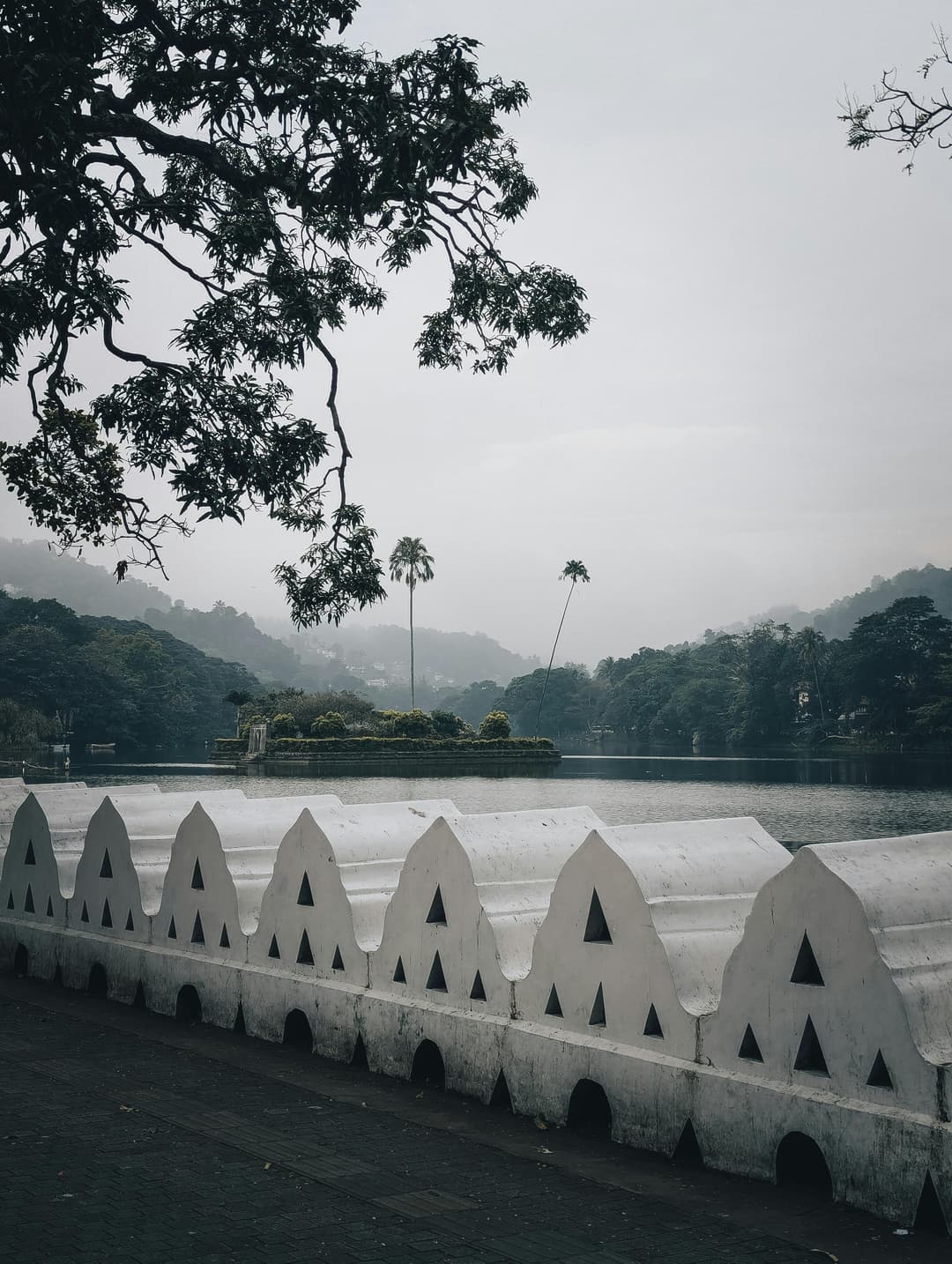
Kandy Lake under low cloud, a familiar sight in the inter-monsoon months.
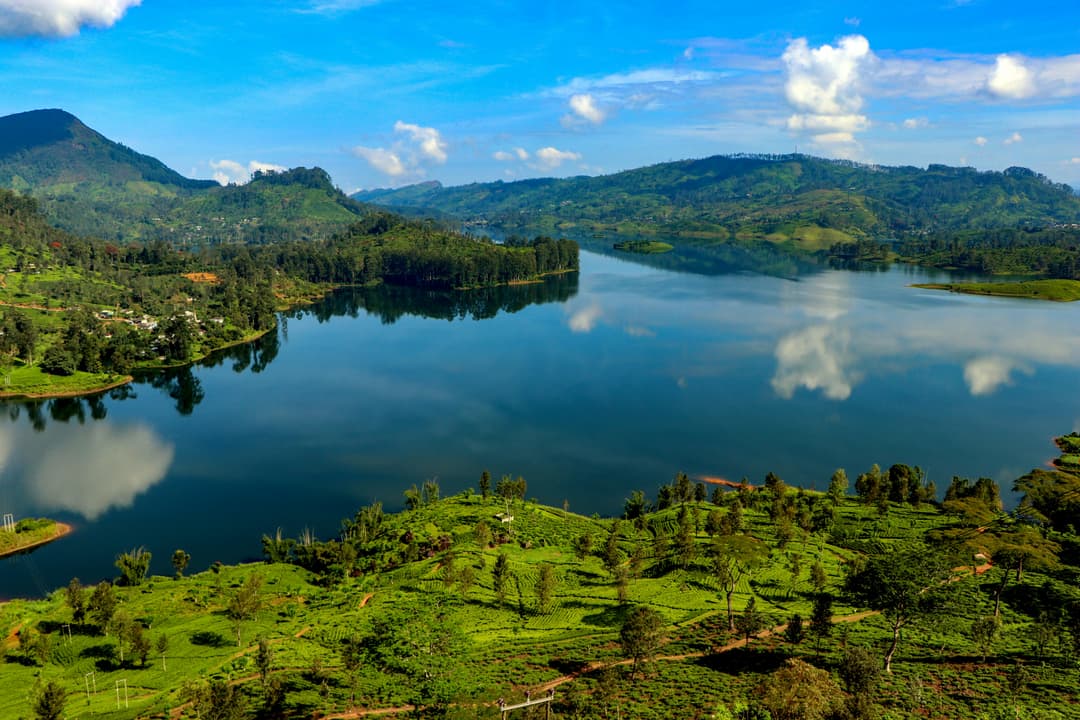
Tea country in clear weather. Reservoir levels here are closely watched in El Niño years.
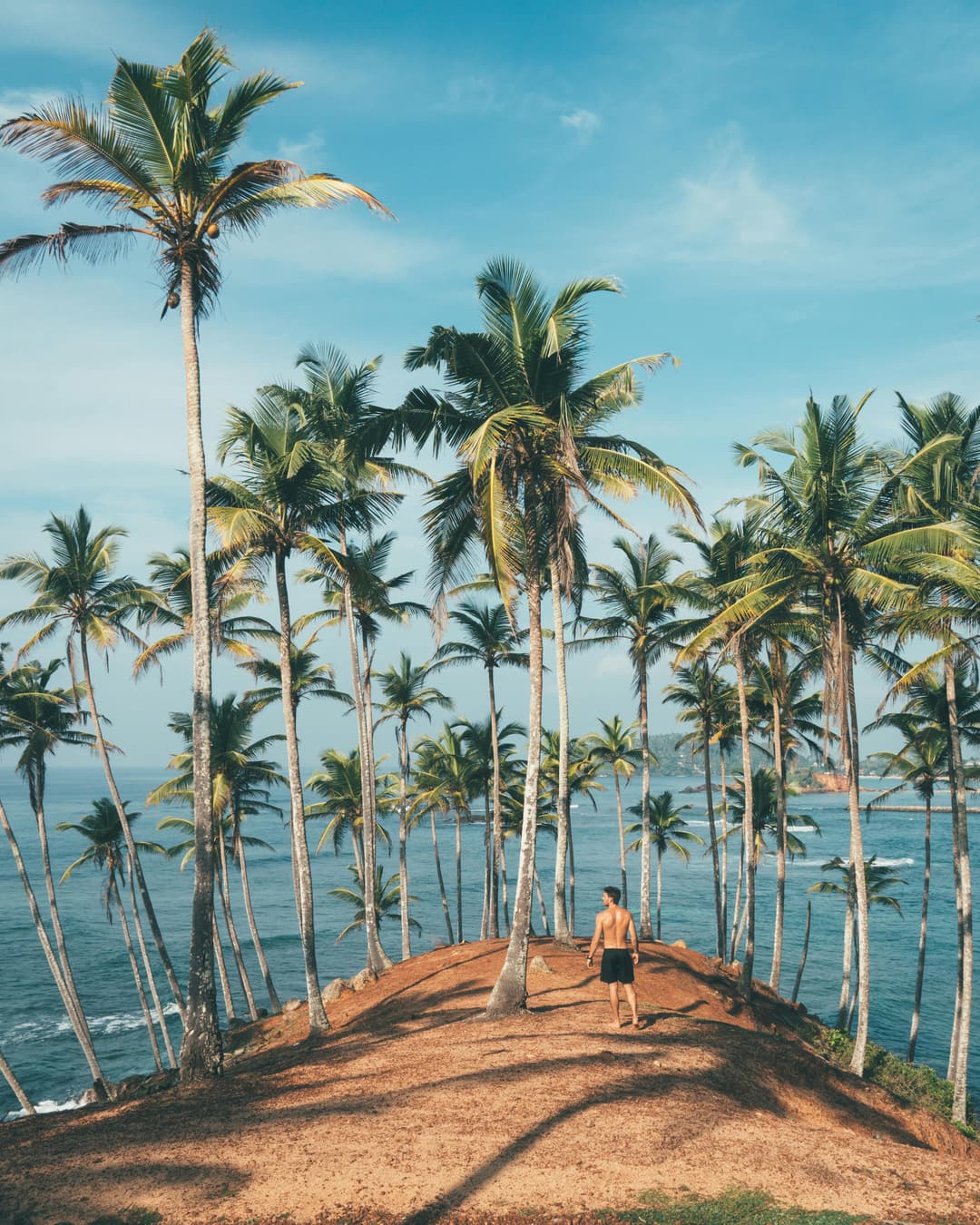
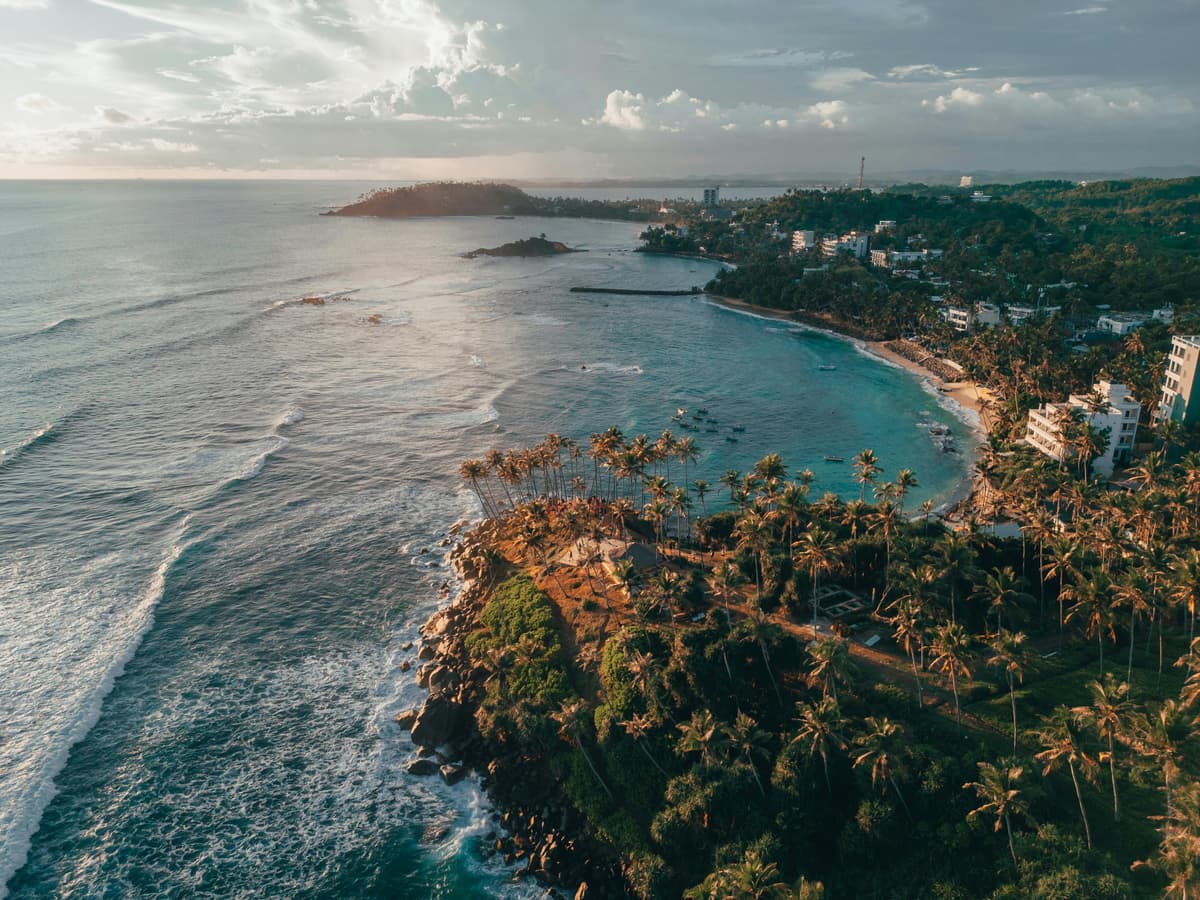
Coconut Tree Hill in Mirissa, one of the south coast's peak-season highlights.
Nilan Fernando
Coastal & Food Expert
A third-generation fisherman's son from Galle, Nilan reads the southern coast's weather the way sailors always have, and now watches the satellite data just as closely.
Want This Experience
For Yourself?
Our guides have the access, knowledge and contacts to make experiences like this happen for you.