
Yala National Park: The Complete Safari Guide for 2025
Leopards, Elephants and the Wild Heart of Sri Lanka's South
Roshan Fernando
Wildlife & Nature Writer
No wildlife encounter in Sri Lanka prepares you for the moment a Sri Lankan leopard steps from the dry scrub and stares at your jeep with complete, sovereign indifference. At Yala National Park, the world's highest-density leopard habitat, this moment is not the exception. With the right guide, in the right zone, at the right hour — it is the expectation.

Yala is divided into five blocks. Block I — the area almost every tourist visits — covers 14,100 hectares of thorn scrub, freshwater lakes, and open grassland along the coast. It has the highest leopard density and is open year-round (except the September rest closure). Block II, accessible only to researchers and specialist operators, protects the deep interior. Block V, known as Kumana, is a separate birding paradise 40 kilometres northeast — home to one of Asia's largest heronries and largely untouched by mass tourism.
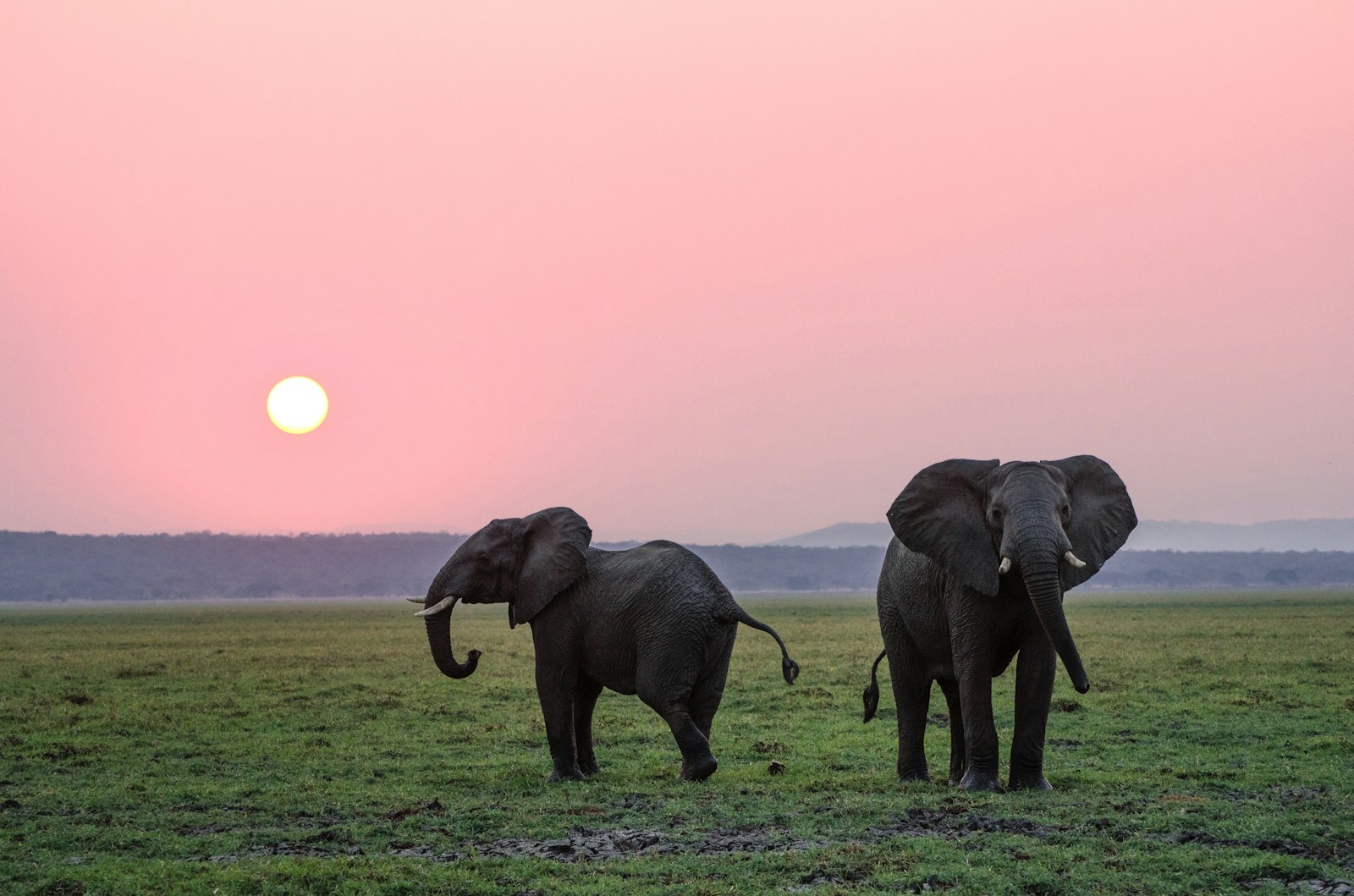
Sri Lanka has its own Big Five, and Yala checks every box. The Sri Lankan leopard (Panthera pardus kotiya) is the island's apex predator and larger than its Indian cousin. The Sri Lankan elephant roams in breeding herds of 20 to 50. Sloth bears — elusive, shaggy, and improbably endearing — are regularly seen near rock outcrops at dusk. The water buffalo grazes the wetland margins. The mugger crocodile lies motionless on sandbanks beside Buttuwa Lagoon with the patience of a fossil. Beyond the Big Five, over 215 bird species have been recorded, including the Sri Lanka junglefowl — the national bird — which struts across the game tracks with the confidence of an animal that knows exactly where it is.
Safari Timing: Morning vs. Afternoon
- 01
Morning safaris (05:30–10:00) are gold: leopards are active, the light is soft, and the park is at its quietest before day-tripper jeeps arrive from coastal hotels.
- 02
Afternoon safaris (15:00–18:30) offer extraordinary light for photography and elephant herds moving to the waterholes before dark.
- 03
Avoid the midday 10:00–14:00 window — most large mammals retreat into shade, and the heat makes wildlife spotting significantly harder.
- 04
Full-day permits allow you to stay for both sessions with a midday break at your lodge — the most rewarding option for serious wildlife enthusiasts.
- 05
October and November (post-monsoon) bring exceptional sightings as animals concentrate around shrinking water sources.

The difference between a mediocre and exceptional Yala safari is overwhelmingly the guide. The best naturalist guides carry binoculars, know individual leopards by their rosette patterns, and have built years of trust with tracker networks across the park. Avoid jeep operators who race between sightings or crowd around a single animal. The leading operators — most based in Tissamaharama, the gateway town — cap their jeep numbers, brief guests on wildlife ethics before entering, and spend time with quality rather than quantity. Our team at Sri Lankan TripTip works exclusively with vetted, licensed naturalist guides who prioritise animal welfare above all.
Staying inside or directly adjacent to the park transforms a day safari into an immersive bush experience. Chena Huts by Uga Escapes and Wild Coast Tented Lodge (now Jalaan Yala) are widely regarded as the finest tented properties in South Asia — both sit within the Yala buffer zone and offer guided night walks and private game drives. For more accessible luxury, the properties along the Tissamaharama lake road offer sunset views over a freshwater tank where elephants bathe at dusk, often within 200 metres of the hotel garden.
“Yala does not perform. It does not stage its animals for your convenience. It simply exists — ancient, indifferent, and extraordinary.”
Yala Block I closes every year from the first of September for approximately six weeks, allowing the ecosystem to regenerate. The exact reopening date varies — usually late October or early November — and is announced by the Department of Wildlife Conservation. During closure, visitors can explore Bundala National Park (a Ramsar Wetland) or Udawalawe, which offers exceptional elephant viewing year-round with no closure period.
Essential Practical Information
- 01
Park entrance fees: Approximately USD 25 per person + vehicle fee + tracker fee. Always use official ticket counters at the gate.
- 02
Best months overall: January to July for dry conditions and maximum wildlife density.
- 03
Distance from Colombo: 300 km (approximately 5.5 hours by road). From Galle: 170 km (3 hours).
- 04
Bring a telephoto lens if you have one — minimum 200mm for comfortable wildlife photography.
- 05
Early booking is essential November to March — the peak season sees Yala reaching its daily jeep capacity by 06:00.
Roshan Fernando
Wildlife & Nature Writer
Roshan is a certified wildlife guide and conservation writer who has spent more than 200 days in Sri Lanka's national parks. He writes to bring the bush to life for those who have never yet set foot on a game trail.
Want This Experience
For Yourself?
Our guides have the access, knowledge and contacts to make experiences like this happen for you.